Showing posts with label Health. Show all posts

Friday, May 18, 2012

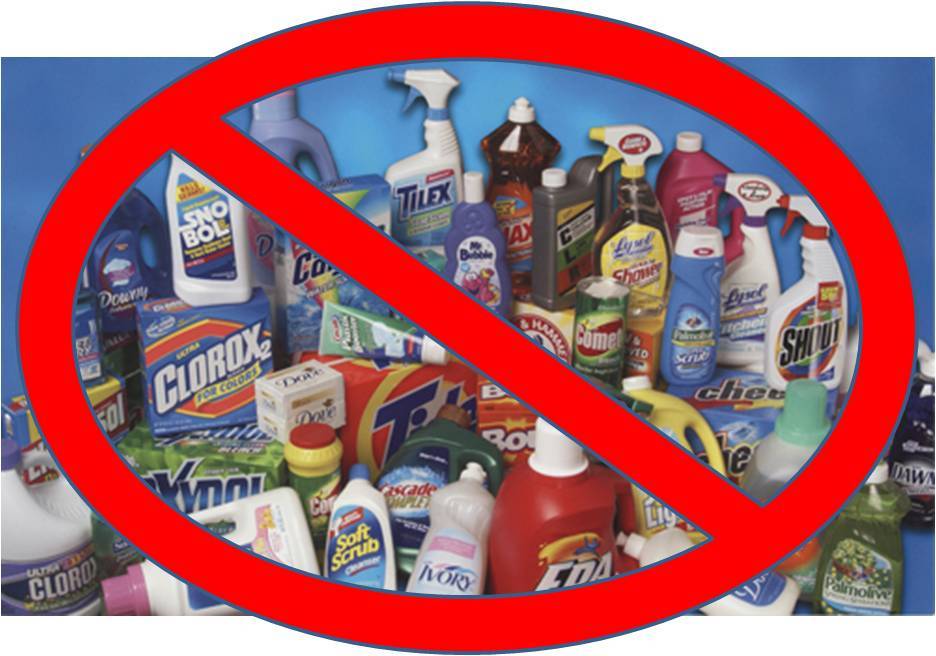
Are you accidentally making your home toxic?


Are there toxins in your products?


I wanted to share this list from Dr.Mercola's website (http://). We've all seen plenty of these lists, read articles, and seen news programs about additives/carcinogens/toxins in our products; however, it never hurts to be reminded every once in a while!

(image:chemicalfreelife.tumblr.com)
Ingredient Use Dangers
Parabens Heavily used preservatives in the cosmetic industry; used in an estimated 13,200 cosmetic and skin care products. Studies implicate their connection with cancer because their hormone-disrupting qualities mimic estrogen and could disrupt your body's endocrine system.
Mineral Oil, Paraffin, and Petrolatum These petroleum products coat the skin like plastic – clogging pores and creating a build-up of toxins. They can slow cellular development, creating earlier signs of aging. They're implicated as a suspected cause of cancer. Plus, they can disrupt hormonal activity. When you think about black oil pumped from deep underground, ask yourself why you'd want to put that kind of stuff on your skin…
Sodium laurel or lauryl sulfate (SLS), also known as sodium laureth sulfate (SLES) Found in over 90% of personal care products! They break down your skin's moisture barrier, potentially leading to dry skin with premature aging. And because they easily penetrate your skin, they can allow other chemicals easy access. SLS combined with other chemicals may become a "nitrosamine" – a potent carcinogen.
Acrylamide Found in many facial creams. Linked to mammary tumors.
Propylene glycol Common cosmetic moisturizer and carrier for fragrance oils. May cause dermatitis and skin irritation. May inhibit skin cell growth. Linked to kidney and liver problems.
Phenol carbolic acid Found in many lotions and skin creams. Can cause circulatory collapse, paralysis, convulsions, coma, and even death from respiratory failure.
Dioxane Hidden in ingredients such as PEG, polysorbates, laureth, ethoxylated alcohols. Very common in personal care products. These chemicals are often contaminated with high concentrations of highly volatile 1,4-dioxane that's easily absorbed through the skin. Its carcinogenicity was first reported in 1965, and later confirmed in studies including one from the National Cancer Institute in 1978. Nasal passages are considered extremely vulnerable, making it, in my opinion, a really bad idea to use these things on your face.
Toluene May be very poisonous! Made from petroleum and coal tar… found in most synthetic fragrances.

There are many alternatives you can use, from vinegar and baking soda, to natural store brought brands without added chemicals, with make keeping your home clean and chemical free easy and convenient!


WHAT HAVE YOU USED THAT WORKED FOR YOU???

Chronic exposure linked to anemia, lowered blood cell count, liver or kidney damage…May affect a developing fetus.

Saturday, March 3, 2012

Health swap and the 411 on Quark

Instead of using whipped cream, or cream cheese, try mixing fat free ricotta cheese with some sweetener (sugar twin, stevia, splenda), flavor drops or sugar free syrup or sugar free pancake syrup, and a bit of cinnamon. The same applies for baking and baked goods (pancakes with yogurt and pudding instead of oil are amazing).

Try adding some cocoa or chocolate protein powder for a chocolate whipped cream (check my store for my favorite, but I recommend BioX Power Whey Isolate and Iso Sensation 93 Chocolate Fudge).

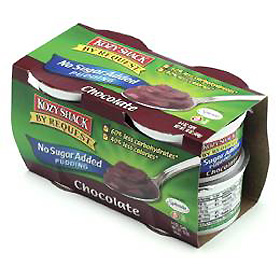
Or, try topping with sugar free pudding (like Kozy Shack, Jello), or Greek Yogurt.

A mere 2 TB of whipped cream (who only eats 2TB?) has 104 calories and 11 grams of fat, of which 7g are saturated.
1/4c of Fat Free Ricotta has only 50 calories and less than 0.5g of fat. Light Ricotta only has 70 calories and 3g of fat; even the full fat has fewer grams of fat per 1/2serving than 2TB of whipped cream.

Jello Sugar Free Pudding Cups average about 60-70 calories for the whole cup, and have less than 2g of fat. The vanilla is excellent when left in the freezer until it is semi-frozen with cinnamon stirred in. These come in a wide variety of flavors, and are excellent toppers of cakes/protein cakes/toast/oatmeal/oat bran, waffles, toast, and even mixed into cereal.

Kozy Shack No Sugar Added Pudding


Kozy Shack has excellent, creamy tasting sugar free pudding cups (refrigerated isle- usually with dairy). They range from 60-100 calories and are full of flavor. These are satisfying, creamy, and thick! Stir in some cinnamon!!!
FYI TIP* Adding pudding to baked goods replaces a lot of the cream/butter/oil by keeping your baked good moist!

Free Grocery Coupons
A full cup of Greek Yogurt has about 130-150 calories and about 22g of protein. Make sure you add some sweetener, preserves, sugar free syrups/pancake syrup, and cinnamon. Stir it well until it is creamy and cinnamon is incorporated. Adding fruit flavored syrup or sugar free jam/spread is fantastic as well. Few things beat eating cereal (rice krispies/special k,shreddies etc) with pudding and yogurt (dessert!).
Fresh Quark Cheese
For those who don't mind a bit more tang, try Quark. This naturally low fat soft (unripened) cheese is a fantastic topping for waffles! I grew up eating Quark on waffles with maple syrup drizzled on top and fresh sliced strawberries.
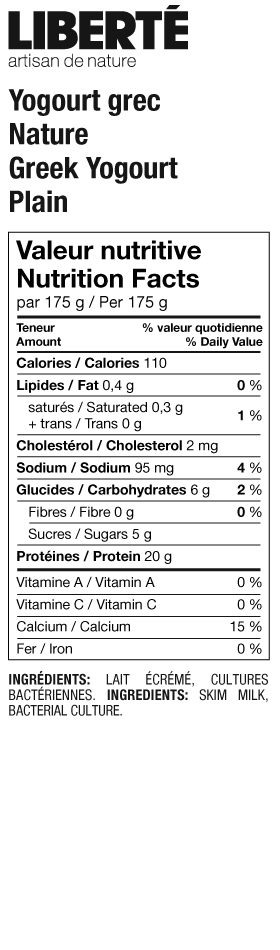
100 grams of Liberte's fat free quark is only 60 calories and has 11g of protein! It tastes similar to fromage frais or Baker's Cheese and has no salt added to it. It does have a great, thick texture, and a tangy/sour taste which is a great contrast to adding agave or sweetener to it.

 Quark is an EXCELLENT substitute in making Cheesecake (there a quite a few recipes online), cheese tarts (sweet) and clafoutis, as well as desserts made with marscapone (try a half/half split). It makes a great dip and base of sauces (sweet of savory, depending on what you mix it with). Try adding it to soups that require cream or sour cream. Many European recipes (dessert especially) use this instead of or with sour cream/cream cheese (Especially German and Polish desserts); it is sometimes called topfen, tvorog/tvaroh, and biezpiens. It is excellent in pound cake/coffee cake/sponge cake! Google Quark dessert, or Quark Cheesecake... you'll be baking in no time! Cheesecake that is truly good for you!
Tip= caramelized, grated apples with cinnamon and sweetener are a fantastic add in!

(image from ifood.tv- Quark Tasche German CheesePastry;kilbegdairydelights.ie
)Fifth Town Cheese Cherry Quark Cake
                                                ( countylive.ca)

Monday, July 25, 2011

Protein Basics: The Building Block of the Body

I get a lot of questions regarding the function and significance of protein, and how it affects the human body. I decided to do a basic protein 101 for this reason. Please keep in mind this is just the basics of protein; it has myriads of amazing applications and benefits in the body


Protein: The Building Block of the Body

With all the rampant misinformation that has been presented--from diet books to talk shows, there is much confusion regarding "protein" in general. Proteins are the building blocks of our body, and they are one of the major macronutrients essential to our functioning and survival (the others are: fat and carbohydrates; vitamins, minerals and water). In this short article, I hope to provide information about protein: what it is, why it is so important, what it does, and why we need it.
What is its function?
The main job of protein is building, maintaining, and repairing tissue; synthesizing (creating) hormones, enzymes, neurotransmitters; carrying out most metabolic and physiological functions, and providing us with energy. Getting enough protein is vital to our bodies for repair and recovery of all functions. In fact, we are made of protein-- our hair, ligaments, nails, muscles, organs, and every part of our body are made of protein and depend on it to function. Without protein, we could not grow!
What is a protein? Getting down to the basics!  [1]   [2]

]   [2]


[1] Protein amino acid chain. http://wikids.wikispaces.com/file/list?o=80
[2] The primary structure of a protein, comprised of a chain of amino acids.


Protein comes from the Greek word "protas", meaning of "prime importance". A protein is made up of complex chains of amino acids, which are the building blocks of protein. There are 20 amino acids (some believe there are 21, and there are 2-3 more not in humans), nine of which are considered "essential". What this means is the body cannot make these amino acids by itself and needs to derive them from outside sources. Non-essential amino acids are the amino acids your body can manufacture; however, when we are under severe stress or experiencing rapid growth, six of these non-essential amino acids cannot be created by our bodies. Many people confuse the term "non-essential" to mean that you do not need these for survival. All this means is that your body can create these amino acids (non-essential), and therefore it is not essential that you obtain them from other sources. The quality of a protein is determined by whether or not it is complete. The degree to which a protein can be used by the body to perform one of its functions is based on the amounts of essential amino acids it contains, and by how complete it is.
image: bodybuildingdiet.net
A protein is called complete when it contains all nine essential amino acids. There are two types of proteins: animal protein and vegetable protein. All animal protein is considered "complete" protein because it has all nine essential amino acids. Vegetable protein, with the exception of soy foods, is considered an incomplete protein. This means that it doesn't contain all the essential amino acids, and thus isn't "complete". However, you can combine various vegetable proteins with each other or with animal proteins and create a complete protein if they contain adequate amounts of the complementary missing essential amino acids! Some examples of animal proteins include meat (all meat, whether from fish, poultry, beef, turkey, lamb etc), dairy (cheese, milk, yogurt, cottage cheese, whey protein), and eggs (in fact, egg whites are one of the only foods that are 100% pure protein, and do not contain one of the other macronutrients, such as carbohydrates or fat). Some examples of vegetable proteins include soy foods (soya, edamame, Tempeh); Quinoa (this is an ancient grain that contains a high percentage of protein), chick peas; legumes and pulses (lentils, black eye peas); nuts, seeds and some cereals. Although some of these vegetable proteins do contain all the essential amino acids, the amounts are not sufficient to properly perform their functions, and therefore must be combined with other proteins to become complete.


*image: rothamsted.ac.uk


Why do we need protein?
Protein is the only macronutrient which provides us with Nitrogen, without which we could not exist! As mentioned previously, protein serves many important functions in the body, and is essential for every type of cell in our body. These functions can be distilled into either "catabolism" of proteins (breakdown), or "anabolism" (building up) of protein. Protein is necessary for all structure and building, and is considered the "body tissue nutrient". Anabolism occurs when amino acids are put together to build a protein, and all the amino acids needed are present. If the required amino acid is not present, then the protein cannot be formed. Catabolism takes place when we break down a protein into its constituent amino acids. Proteins are our bodies' last source of energy, and they are broken down only in the event we do not have sufficient stores of carbohydrates or fats to properly fuel us. When we break down proteins (catabolic action), we release energy.
How much do we need?
Protein needs vary vastly by age, growth rates, activity level, lifestyle, genetics, metabolism and biological factors. If we are more active, we require more protein to adequately repair the tissue we have broken down in the process. We also need more protein when we are sick, because it helps boost our immune health, while helping recover and repair our weakened bodies. People who are undergoing surgery, recovering from illness, trauma, or disease all require higher amounts of proteins as well. Although official 'government health' institututes point to a lesser amount, the general consensus is 1gram of protein to 1 lbs of body weight (more if you are active). So if you weigh 120lbs, you should ingest 120g of protein from all sources a day.
As you can see, protein truly is of "prime importance" to us, and it serves several extremely important functions. Protein enables cellular growth and repair, and is necessary for every single cell in our body.


[1] Protein amino acid chain. http://wikids.wikispaces.com/file/list?o=80
[2] The primary structure of a protein, comprised of a chain of amino acids.


Tuesday, April 12, 2011

Nattokinase and Serrapeptase for Thrombosis

I have had a few emails regarding Thrombosis, and have had a few clients dealing with this medical issue as well. I was asked if I could recommend any natural supplements to help with the blood clotting. I have had success with a few supplement regiments, however this has to be carefully monitored when combining with prescription blood thinners and medications such as  Warfarin, Heparin and Coumadin (brand name).
I urge anyone who has questions to communicate with their doctors and make sure they don't have any contraindications! Many doctors didn't know what the following two supplements were, whereas other doctors did, and were able to incorporate them into the clients health plan.

Here are two interesting products that merit further research by someone looking for an alternative way to help with Thrombosis (If given the "okay" by your medical team!):

1. Nattokinase: Nattokinase is an isolated enzyme extracted from Natto, and has been found to have blood clot dissolving abilities and prevents the aggregation of red blood cells. It helps with healthy blood flow, cardiovascular integrity and can help maintain cardiovascular and arterial health.
2. Serrapeptase. This is made out of silk work, and works as an enzyme. I have had great success treating joint pain and inflammation with this product. It is safe, effective and has many additional benefits to its use. It has many European studies on it, and induces fibrinolytic, anti-inflammatory and anti-edemic activity. It helps some people manage pain, and can help arterial blockages. Make sure you get a quality product with at least 40000 active units.

As always, I urge you to discuss these options with your doctor. These are not to be taken without supervision when you are already on blood-thinners, as they can further thin the blood and cause internal bleeding. Both of these are natural and have been used safely for thousands of years for a variety of health benefits.

These work well for joint pain and stiffness, and are worth trying if you have no medical conditions that would be exacerbated by these. Nattokinase has been used to improve bone health, as it is full of Vitamin K2.

Saturday, March 5, 2011

Having One Of THOSE Days???

Like everyone else, I have days, or in this case months, where I am not feeling 100%. I am not pleased with how I am dealing with certain things, or I am not giving myself the care that I know I deserve.
As someone who has spent the vast majority of the past 9 yrs deeply involved in the Nutrition Industry, I find that people often assume that I am perfect, and lead by example 100% of the time. They often think that I will be critiquing what they eat, how they lead their lives, exercise, what supplements they take etc. It is as if every statement I make is an all-encompassing judgement on them.
The truth is that I am human, and just like everyone out there, I MESS UP. I get stressed, I stress eat, I am not always 100% "on", I don't always go 150% on my workouts, I eat junk, I struggle with my weight, and yes- I have "fat days".

I often feel worse, because people believe I SHOULD have all the answers. I don't. It is frustrating that I fall prey to the same human behaviours many make when I KNOW BETTER- but the thing is, I'm human. The difference is that I am aware of it; so keenly aware of it, that it sometimes feels as though it is a value judgement on my self worth.

Then I get over it. How? By NOT making a big deal of it. I find the more time and emotion I put into berating myself and thinking about NOT repeating the behaviour, the more it becomes a focus; the more it is on my mind, and the more I engage in the very behaviour that I am trying to avoid.

I have been under a considerable amount of stress recently, and I do not expect it to get much easier any time soon. So I have to accept this and deal with it unless I plan on being miserable for the next 9 months. This is NOT okay by me. Being healthy means MENTALLY, Emotionally, as well as physically.

We need to be healthy in all areas, as they are all interrelated. You can't expect to be happy all the time, but you also can't expect to be happy if you are treating yourself poorly all the time.

Today I propose taking a breather. I have written numerous times about taking a 'geographic' (physical change of environment/geography) be it just going for a walk around your neighborhood, to the grocery store, to the book store, or as is the case for me today: to the mall. Yes I should be focused, researching and working. But I need a distraction first and foremost from the stress that is permitting me from focusing in the first place. I need a distraction from myself, from the stress and the 'you should' voices in my head. And if window shopping achieves that, then so be it. Walking through Chapters, by THE BODY SHOP (their Satsuma Body Butter will uplift your spirit no matter what!), sipping tea @ Starbucks (CALM Tazo tea- very appropriate), listening to the music, trying on ridiculously expensive eye creams and taking advantage of great tester face creams; perusing boutiques and wandering around is exactly what my soul needed today.

 A break to unwind. Permission to DO NOTHING, instead of trying to do everything, and yet getting nothing done. Allowing yourself to procrastinate every once in a while is restorative, and will renew your energy and enthusiasm for life- revive your vigor and hopefully renew your spirit. Renew your belief in yourself that YOU CAN DO IT: you can conquer any challenge that comes your way.  That you will deal with it with dignity, integrity, self-respect, and in a manner which serves to strengthen your inner belief... and in the mean time, if you happen to catch a great sale or buy a little treat for dessert... it won't hurt either ;)


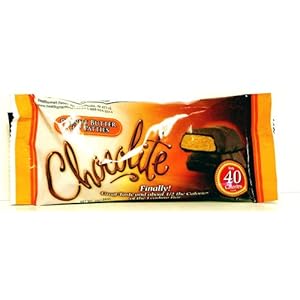
Liberte Greek Yogurt, Sweetener and cinnamon added, with a crumbled Chocolite Cookies and Cream Bite and another Yogurt with the To.Die.For Peanut Butter Patty... highly recommend it. I inhaled 1/2 of the tub before I snapped a picture with my phone. If you see Liberte in stores, I highly recommend giving them a try. I am in the midst of doing a product review, (products do differ from Canada to the States), and am thrilled they don't use any hormones, chemicals, growth regulators ( rBGH free ) etc.
Bar Pnut Btr Cup Patties 2 Pack (16 Per Box) by Chocolite
If you haven't tried CHOCOLITE Products.... go get some NOW!

Yogourt Grec nature 0 %

How do you cope with stress? What stresses you out the most and what events/circumstances cause the most unease? What are your triggers? Do you have a pattern of things (deadlines, certain events, people, fear of not living up, fear of success/failure) that cause you to feel less than "100%" and fall prey to certain behaviors? How does this affect and effect you?
What has allowed you to "move on" and stop these thoughts/behaviours and turn things around?
What are some of your best "distractions" and ways to get your mind off of things?

I would like to add that if you are really feeling low, and are having a hard time coping PLEASE seek some help and talk to someone.